

Leaders & Teams

10 tips to become a better leader

The requirements for good leadership are constantly changing, and the best leaders strive to improve continuously throughout their leadership journey. The role of a leader is therefore not a static title – it requires investment so that you can continue to create a supportive environment for development. At Mannaz, we have been helping leaders develop their potential for over 50 years. Here is our ultimate guide to developing your leadership through 10 practical tips.


Article

What makes a good leader?

A good leader is able to strike the delicate balance between strategic direction and people management. It is about building commitment through trust, direction and empathy, so that the team can work purposefully towards shared goals.

A leader’s responsibilities are wide-ranging, and it is the leader’s task both to set a direction for the organisation and to ensure the day-to-day well-being of staff. It is, therefore, a balancing act between the needs of the organisation and those of the employees.
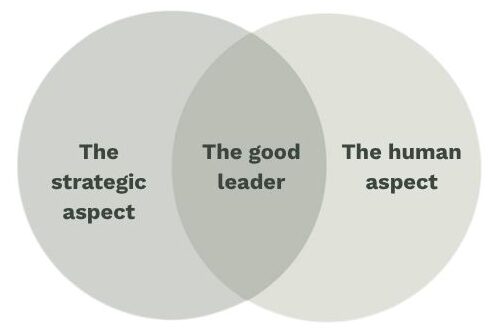
the good leader

Read more here: What makes a good leader?

What does good leadership look like in practice?

In practice, good leadership is about setting a shared direction, delegating responsibility and supporting employees’ independence. One of a manager’s most important tasks is to ensure their employees are happy – because well-being in the workplace boosts both creativity and productivity. You can develop this ability, for example, through a coaching leadership style.

10 tips for becoming a better leader

1

Be encouraging and create a positive atmosphere

Recognise your employees’ efforts, celebrate successes, and foster a positive atmosphere within the team. A culture of positive feedback boosts engagement, motivation and collaboration.

2

Use the SUMO analysis for appreciative leadership

SUMO (Styrker, Udviklingspotentialer, Muligheder og Opmærksomhedspunkter) kan hjælpe dig med at fremhæve potentiale og skabe udvikling gennem konstruktiv feedback. SUMO er en udgave af SWOT-analysen.

SUMO (Strengths, Development Potential, Opportunities and Areas for Attention) can help you highlight potential and foster development through constructive feedback. SUMO is a variation of the SWOT analysis.

3

Be authentic, transparent and honest

Show who you are, be open about decisions and mistakes, and communicate clearly. An honest and transparent management style builds trust and respect within the team.

4

Build engagement using the 5D model

Using the 5D model (Define, Discover, Dream, Design, Deliver), you can create projects based on success stories. This boosts staff ownership, motivation and engagement.

5

Be a good listener, and say sorry if it’s your fault

Listen actively to your employees, acknowledge their perspectives, and take responsibility when you have made a mistake. This strengthens relationships and creates a safe working environment.

6

Set clear guidelines and deadlines

Take the lead in providing direction, structure and reassurance within the team by being transparent about your expectations and setting realistic deadlines and clear priorities.

7

Be vulnerable and show empathy

Share your experiences and challenges. Empathy and vulnerability foster deeper relationships, trust and a team that feels comfortable sharing ideas and concerns.

8

Build your leadership mandate

If you are a new manager, you’ll need to spend a little extra time aligning expectations with your staff and navigating your new relationship with former colleagues. This requires striking a balance between demonstrating leadership and continuing to value the team’s expertise.

9

Develop a coaching questioning technique

Ask open, reflective questions using a coaching questioning technique. This promotes self-awareness and personal development among employees during performance reviews and feedback sessions.

10

Develop your strategic and communication skills

Be clear about goals, priorities and decisions. Clear and focused communication ensures that the team understands the direction and can work towards shared success.

Read also: Discover the manager’s 6 effective management tools

The key leadership qualities: What makes a good leader?

A good leader is characterised by a number of key qualities designed to foster trust, well-being and results within the team:

  • Effective communication and active listening: A good leader listens more than they speak. An open and honest dialogue ensures that employees’ ideas and concerns are heard and taken seriously.
  • Empathy and psychological safety: One of the most essential leadership qualities is the ability to create a safe working environment that fosters motivation, well-being and innovation. Psychological safety is the foundation of an engaged and high-performing team that feels seen, heard and supported.
  • Personal leadership and self-reflection: As a leader, it is important to be aware of both your strengths and areas for development. By seeking feedback, enhancing your self-awareness and working purposefully with specific leadership tools, you can develop as a leader.

Invest in your leadership development with a leadership course

The best way to develop your leadership skills is through training, feedback and professional dialogue with other leaders. At Mannaz, we offer leadership courses and programmes for all levels, so we can strengthen your leadership skills in the areas where there is room for improvement in your day-to-day work.

We cover everything from difficult conversations and conflict management to motivation, change management and strategic prioritisation. With a leadership course from us, you’ll not only gain new knowledge, but also methods, practical exercises and coaching that you can apply directly to effective leadership within your team.

See our leadership courses here

Contact

Senior Product Manager

rfw@mannaz.com
+45 4517 6140

Would you like to develop your leadership skills?

Inspiration
Leaders & Teams How a Stoic Mindset Can Strengthen Leadership in a Complex World

Many new leaders’ step into their roles with strong commitment and a genuine desire to make a difference. At the same time, they quickly encounter a reality shaped by high pace, conflicting expectations, and increasing complexity. Decisions must be made quickly, relationships need attention, and results are expected – often all at once.

Leaders & Teams How to Build and Maintain Effective Collaboration

Teamwork is one of the most desired skills in organisations today. Achieving results and developing innovative solutions requires more than just individual initiatives. Instead, it often demands a coordinated effort from a group or team. The effectiveness of a team’s collective efforts is therefore crucial to reaching set goals. In this article, I will guide you through the key principles of fostering strong collaboration.

Change & Transformation Embracing Change: A Journey of Transformation

Change has been a constant theme in my professional experiences. Initially, I thought I was solely working within Human Resources, dealing with talent and leadership development, and organizational development. However, the underlying element was always change. Even in my managerial roles, change management was a significant aspect. While this connection may appear clear retrospectively, it wasn’t immediately obvious at the time.

Did you find the article interesting?

Gain more insight by signing up our newsletter.


The potential is people